
Workout Routine
FreeDorian Yates Split – 4-Day One-Set-to-Failure Bodybuilding Program
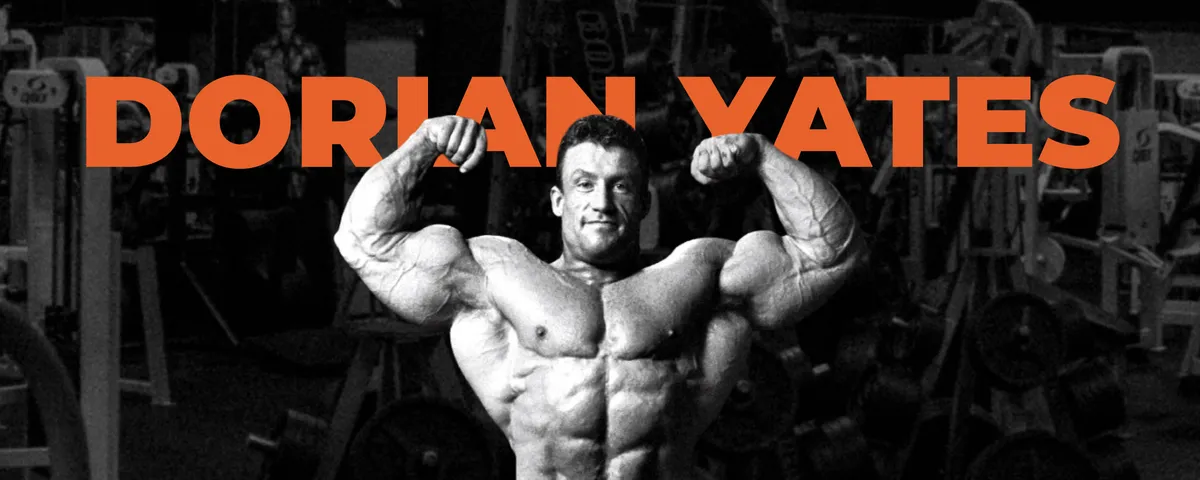
Dorian Yates split, the 4-day bodybuilding program the six-time Mr. Olympia trained on from 1995 to the end of his career: each muscle group once a week, a couple of warm-up sets, then a single working set taken to failure and often beyond with a training partner. Sessions are short and very hard, with three rest days in the week. Hardy tracks every set for you: log your reps, and the app raises or lowers your working weights automatically according to the rules below, so you never touch a spreadsheet.
The Dorian Yates workout split
- Day 1, Shoulders, Traps & Triceps: Smith machine shoulder press, lateral raise, cable lateral raise, dumbbell shrug, tricep pushdown, lying triceps extension, single arm reverse grip pushdown, hanging leg raises
- Day 2, Back & Rear Delts: machine pullover, close grip lat pulldown with an underhand grip, Yates row, single arm machine row, seated cable row, rear delt fly, reverse pec deck, hyperextensions, deadlift
- Day 3: rest
- Day 4, Chest & Biceps: incline bench press, chest press machine, incline dumbbell fly, cable crossover, seated incline curl, cambered bar curl, machine preacher curl, hanging leg raises
- Day 5: rest
- Day 6, Legs: leg extension, leg press, hack squat machine, lying leg curl, straight leg deadlift, calf raise, seated calf raise
- Day 7: rest
The Yates row, named after him, is a barbell row with a more upright torso, pulled to the waist. He rowed underhand until a 1994 biceps tear and overhand after it, which is the version in the Dorian Yates Blood and Guts video; either grip works here.
Sets, reps and warm-ups
Before the first working set for a muscle, Yates did one warm-up set at about half the working weight for around 15 reps and a second at 70–75 % for 10–12, with one or two lighter sets on the later exercises for the same muscle (his high-intensity training page on the DY Nutrition blog spells this out). Warm-up sets are not written into the routine; the warm-up calculator lays out a ramp for any working weight. The working set is one set to failure: 6–8 reps on the presses, the curls and the deadlift, 8–10 on most machine and dumbbell work, and 10–12 on the flies, pushdowns, shrugs, calves and the leg press; the range for each exercise is set in the routine. He finished the heaviest sets with forced reps or extra negatives from his partner, and did the deadlift without them. Rest about three minutes after the big compounds and about 90 seconds after isolation work, as he did.
Progression
Every weight exercise uses double progression. Yates kept a logbook and went into each session to beat it by a rep or a little weight, so Hardy lets you add reps until you reach the top of the range, then adds weight (2.5 kg / 5 lb, or 1 kg / 2 lb on dumbbell exercises) and resets the target to the bottom. Fall below the bottom of the range and Hardy takes the same amount off; that step down is Hardy's, not his, and you can discard it on the review screen if you would rather repeat the weight.
Tips
- The exercise list changed a little from year to year; swapping a machine for the closest one your gym has keeps the program intact.
- A working set counts only if it is really to failure; if you could have done another rep, it was a warm-up.
- The hanging leg raises stand in for the crunches and reverse crunches he did on shoulder and chest days.
- Want the original version of the same idea? The Mike Mentzer workout rotates three workouts with pre-exhaust supersets.
Based on the training Dorian Yates shows in his 1996 video Blood & Guts and describes in A Warrior’s Story and on the DY Nutrition blog. Not affiliated with Dorian Yates, DY Nutrition or DY Academy.
Starting TM is 90% of 1RM.
Targeted muscles
Workouts
Shoulders, Traps & Triceps
smith machine shoulder press
Set
Intensity
Weight
Reps
Rest time
Double Progression: Work within 8-10 reps, adding one rep per successful session. At the top of the range, weight increases by 5 lbs; failing at the bottom decreases it by 5 lbs.
smith machine shoulder press
1×8
lateral raise
Set
Intensity
Weight
Reps
Rest time
Double Progression: Work within 8-10 reps, adding one rep per successful session. At the top of the range, weight increases by 2 lbs; failing at the bottom decreases it by 2 lbs.
lateral raise
1×8
cable lateral raise
Set
Intensity
Weight
Reps
Rest time
Double Progression: Work within 8-10 reps, adding one rep per successful session. At the top of the range, weight increases by 5 lbs; failing at the bottom decreases it by 5 lbs.
cable lateral raise
1×8
shrug
Set
Intensity
Weight
Reps
Rest time
Double Progression: Work within 10-12 reps, adding one rep per successful session. At the top of the range, weight increases by 2 lbs; failing at the bottom decreases it by 2 lbs.
shrug
1×10
tricep pushdown
Set
Intensity
Weight
Reps
Rest time
Double Progression: Work within 10-12 reps, adding one rep per successful session. At the top of the range, weight increases by 5 lbs; failing at the bottom decreases it by 5 lbs.
tricep pushdown
1×10
lying barbell triceps extensions
Set
Intensity
Weight
Reps
Rest time
Double Progression: Work within 8-10 reps, adding one rep per successful session. At the top of the range, weight increases by 5 lbs; failing at the bottom decreases it by 5 lbs.
lying barbell triceps extensions
1×8
single arm reverse grip pushdown
Set
Intensity
Weight
Reps
Rest time
Double Progression: Work within 10-12 reps, adding one rep per successful session. At the top of the range, weight increases by 5 lbs; failing at the bottom decreases it by 5 lbs.
single arm reverse grip pushdown
1×10
hanging leg raises
Set
Reps
Rest time
hanging leg raises
2×15
Back & Rear Delts
machine pullover
Set
Intensity
Weight
Reps
Rest time
Double Progression: Work within 8-10 reps, adding one rep per successful session. At the top of the range, weight increases by 5 lbs; failing at the bottom decreases it by 5 lbs.
machine pullover
1×8
close grip lat pulldown
Set
Intensity
Weight
Reps
Rest time
Double Progression: Work within 8-10 reps, adding one rep per successful session. At the top of the range, weight increases by 5 lbs; failing at the bottom decreases it by 5 lbs.
close grip lat pulldown
1×8
yates row
Set
Intensity
Weight
Reps
Rest time
Double Progression: Work within 8-10 reps, adding one rep per successful session. At the top of the range, weight increases by 5 lbs; failing at the bottom decreases it by 5 lbs.
yates row
1×8
single arm machine row
Set
Intensity
Weight
Reps
Rest time
Double Progression: Work within 8-10 reps, adding one rep per successful session. At the top of the range, weight increases by 5 lbs; failing at the bottom decreases it by 5 lbs.
single arm machine row
1×8
seated cable row
Set
Intensity
Weight
Reps
Rest time
Double Progression: Work within 8-10 reps, adding one rep per successful session. At the top of the range, weight increases by 5 lbs; failing at the bottom decreases it by 5 lbs.
seated cable row
1×8
rear delt fly
Set
Intensity
Weight
Reps
Rest time
Double Progression: Work within 8-10 reps, adding one rep per successful session. At the top of the range, weight increases by 2 lbs; failing at the bottom decreases it by 2 lbs.
rear delt fly
1×8
reverse pec deck
Set
Intensity
Weight
Reps
Rest time
Double Progression: Work within 8-10 reps, adding one rep per successful session. At the top of the range, weight increases by 5 lbs; failing at the bottom decreases it by 5 lbs.
reverse pec deck
1×8
Hyperextensions
Set
Intensity
Weight
Reps
Rest time
Double Progression: Work within 10-12 reps, adding one rep per successful session. At the top of the range, weight increases by 5 lbs; failing at the bottom decreases it by 5 lbs.
Hyperextensions
1×10
deadlift
Set
Intensity
Weight
Reps
Rest time
Double Progression: Work within 6-8 reps, adding one rep per successful session. At the top of the range, weight increases by 5 lbs; failing at the bottom decreases it by 5 lbs.
deadlift
1×6
Chest & Biceps
incline bench press
Set
Intensity
Weight
Reps
Rest time
Double Progression: Work within 6-8 reps, adding one rep per successful session. At the top of the range, weight increases by 5 lbs; failing at the bottom decreases it by 5 lbs.
incline bench press
1×6
chest press machine
Set
Intensity
Weight
Reps
Rest time
Double Progression: Work within 6-8 reps, adding one rep per successful session. At the top of the range, weight increases by 5 lbs; failing at the bottom decreases it by 5 lbs.
chest press machine
1×6
incline fly
Set
Intensity
Weight
Reps
Rest time
Double Progression: Work within 8-10 reps, adding one rep per successful session. At the top of the range, weight increases by 2 lbs; failing at the bottom decreases it by 2 lbs.
incline fly
1×8
cable crossover
Set
Intensity
Weight
Reps
Rest time
Double Progression: Work within 10-12 reps, adding one rep per successful session. At the top of the range, weight increases by 5 lbs; failing at the bottom decreases it by 5 lbs.
cable crossover
1×10
seated incline curl
Set
Intensity
Weight
Reps
Rest time
Double Progression: Work within 6-8 reps, adding one rep per successful session. At the top of the range, weight increases by 2 lbs; failing at the bottom decreases it by 2 lbs.
seated incline curl
1×6
cambered bar curl
Set
Intensity
Weight
Reps
Rest time
Double Progression: Work within 6-8 reps, adding one rep per successful session. At the top of the range, weight increases by 5 lbs; failing at the bottom decreases it by 5 lbs.
cambered bar curl
1×6
machine preacher curl
Set
Intensity
Weight
Reps
Rest time
Double Progression: Work within 6-8 reps, adding one rep per successful session. At the top of the range, weight increases by 5 lbs; failing at the bottom decreases it by 5 lbs.
machine preacher curl
1×6
hanging leg raises
Set
Reps
Rest time
hanging leg raises
2×15
Legs
leg extension
Set
Intensity
Weight
Reps
Rest time
Double Progression: Work within 10-12 reps, adding one rep per successful session. At the top of the range, weight increases by 5 lbs; failing at the bottom decreases it by 5 lbs.
leg extension
1×10
leg press
Set
Intensity
Weight
Reps
Rest time
Double Progression: Work within 10-12 reps, adding one rep per successful session. At the top of the range, weight increases by 5 lbs; failing at the bottom decreases it by 5 lbs.
leg press
1×10
hack squat machine
Set
Intensity
Weight
Reps
Rest time
Double Progression: Work within 8-10 reps, adding one rep per successful session. At the top of the range, weight increases by 5 lbs; failing at the bottom decreases it by 5 lbs.
hack squat machine
1×8
lying leg curl
Set
Intensity
Weight
Reps
Rest time
Double Progression: Work within 8-10 reps, adding one rep per successful session. At the top of the range, weight increases by 5 lbs; failing at the bottom decreases it by 5 lbs.
lying leg curl
1×8
straight leg deadlift
Set
Intensity
Weight
Reps
Rest time
Double Progression: Work within 10-12 reps, adding one rep per successful session. At the top of the range, weight increases by 5 lbs; failing at the bottom decreases it by 5 lbs.
straight leg deadlift
1×10
calf raise
Set
Intensity
Weight
Reps
Rest time
Double Progression: Work within 10-12 reps, adding one rep per successful session. At the top of the range, weight increases by 5 lbs; failing at the bottom decreases it by 5 lbs.
calf raise
1×10
seated calf raise
Set
Intensity
Weight
Reps
Rest time
Double Progression: Work within 10-12 reps, adding one rep per successful session. At the top of the range, weight increases by 5 lbs; failing at the bottom decreases it by 5 lbs.